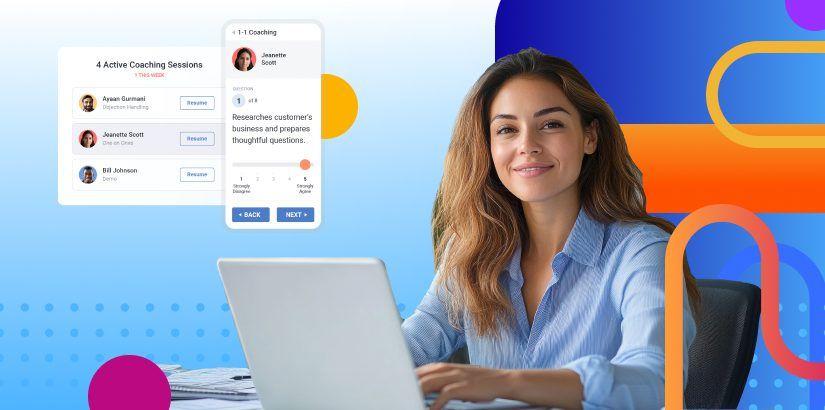



How an AI Coach Boosts Sales Team Performance

By now, it’s no secret that sales coaching moves the needle. In fact, 91% of sales managers say coaching positively impacts their team’s performance. 

But today’s sales managers are stretched thin – juggling larger teams, longer sales cycles, and constant context switching. They know coaching works, but often lack the time to deliver the tailored, timely support every seller deserves.

With an AI sales coach, sellers get targeted guidance they can apply immediately – no manager bandwidth required.

If you’re ready to bring AI into your sales coaching strategy this year, you’re in the right place. In this post, we’ll unpack what an AI coach is, how it differs from traditional sales coaching, and why it’s the most scalable path to better behaviors, stronger pipelines, and bigger wins. 

What is an AI coach?

Perhaps you’re not quite sure what an AI coach is. Or maybe you have some ideas – but could use some clarity on the topic. Whatever the case, let’s start by defining what an AI coach is.

An AI sales coach is a sales tool that uses artificial intelligence (AI) to deliver personalized feedback and guidance to sales reps. When sellers apply the feedback from an AI sales coach, they can improve their skills and behaviors and boost their sales productivity and performance.

How AI sales coaching and training is different from traditional sales coaching

Now that we’ve shared a definition of the term “AI sales coach,” you may be wondering how it compares to more traditional sales coaching methods.

AI sales coaching and traditional sales coaching are both methods for delivering personalized feedback and guidance to sellers that help them be more successful in their roles. AI- and human-powered sales coaching can both be good ways to deliver:

  • Deal coaching: Guidance to improve the likelihood of a specific deal closing.
  • Skill coaching: Coaching and support to improve the skills and competencies needed for success in a specific sales role. 

Ideally, both AI coaching and traditional coaching should be rooted in data. That way, coaching will be relevant to each sales rep’s specific strengths and weaknesses. Data can come from a variety of different sources, including:

  • Performance metrics: Some examples include conversion rates, sales cycle lengths, and quota attainment. 
  • Readiness scores: How well a sales rep stacks up against your what your ideal rep looks like
  • Role play performance: AI can analyze performance and provide insights on what’s happening in the field.
  • In-field performance: This can be analyzed by sitting in on sales calls or using a conversation intelligence tool. 

There are some similarities between an AI coach and more traditional sales coaching methods. However, there are also some key differences. Let’s look at some of the top factors that set an AI coach apart from traditional sales coaching methods. 

Factor #1: Who delivers the coaching

Perhaps the most obvious difference between the two types of coaching is who delivers it.

A sales rep’s manager most often delivers traditional sales coaching. In some organizations, sales coaching is also delivered by:

  • A level-up manager (in other words, the manager of the manager)
  • A sales enablement professional or sales trainer
  • A peer mentor

AI training and coaching, on the other hand, is delivered via artificial intelligence that’s embedded within a specific tool or platform. For example, a revenue enablement platform may build an AI sales coach into the tool.

Factor #2: What channels are used for coaching

Traditional and AI coaching occur through different channels.

Traditional coaching can happen face-to-face if the seller and their manager happen to be in the same office. It can also happen via digital channels. For example, if a sales rep and their manager aren’t in the same office, they might have a regularly scheduled video call in which the manager delivers coaching. Or, a seller could record a role-play and share it with the manager, who could then provide feedback via email or a sales coaching tool.

AI training and coaching happen exclusively via digital channels. For example, an AI assistant can provide feedback while a sales rep interacts with an AI bot in a virtual role-play exercise. 

Some revenue enablement platforms also leverage AI to guide next steps for a deal based on factors like the deal’s stage, buyer engagement, and data on what has worked in similar scenarios in the past. For example, an AI can help the seller surface a specific piece of content that is likely to propel the deal forward.

Factor #3: Coaching timing

Another key difference between AI coaching and traditional coaching is when it is delivered.

When it comes to traditional sales coaching, reps are typically at the mercy of the manager’s schedule. Sellers may have to wait for a scheduled meeting to receive coaching. They can also reach out to a manager if they need guidance in between meetings. However because managers have busy schedules, the seller may be waiting for a while, which can slow down the progress of a deal.

An AI coach delivers feedback in real-time. That means sellers can get the feedback and guidance they need whenever and wherever they need it. For example, an AI coach can deliver feedback to a seller immediately after a role play.The seller can immediately implement this feedback to improve their performance on the next call and accelerate the deal.

Top benefits of AI-powered sales coaching

One-size-fits-all sales coaching isn’t effective. Instead, sales coaching must be personalized to be effective. 

But it’s not always easy to deliver timely, relevant feedback that addresses the needs of every buyer. 

Increasingly, revenue organizations are embracing AI coaches. Why? Incorporating an AI coach into your overall sales coaching strategy can deliver some significant benefits. Let’s take a look at a few.

Real-time feedback to improve behaviors and outcomes

When a seller has access to an AI coach, they don’t have to wait for their sales manager to have free time in their schedule. Instead, sellers can access relevant feedback and guidance any time they engage in an AI-powered role play. 

Sellers can immediately put AI-driven feedback into practice, adjusting their approach in real time to boost performance and drive better results on sales calls.

Screenshot of the Mindtickle AI role-play feature providing real-time feedback

Customized coaching for every seller

Traditional sales coaching methods are often one-size-fits-all. In other words, the same coaching is delivered to every seller, regardless of their unique strengths and weaknesses. This approach doesn’t work, but it continues to be common because personalized sales coaching requires a lot of time, and most sales managers are stretched thin.

AI coaching is customized to the seller’s unique needs. For example, an AI coach can deliver tips for improving objection handling if that’s an area where a seller struggles. It can also provide content recommendations based on how a buyer has engaged with other content they’ve received.

Scalability as team sizes change

The size of a sales team can fluctuate – a lot. This is especially true in today’s economic environment. If you’re solely using traditional coaching methods, scaling coaching as your team grows can be impossible.

When you incorporate an AI coach into your sales coaching strategy, you can provide effective, consistent coaching across your entire sales team – no matter how the team size fluctuates over time.

Judgement-free guidance

A seller might have a question for their manager. But they’re afraid to ask it for fear of being judged. Or, they might record a role play but worry their sales manager or trainer will be overly critical.

With an AI coach, sellers can get the coaching and guidance they need—judgement-free. For example, sellers can engage with AI-powered role plays to practice their skills as much as they want. An AI coach will deliver feedback to help them improve their behaviors and performance.

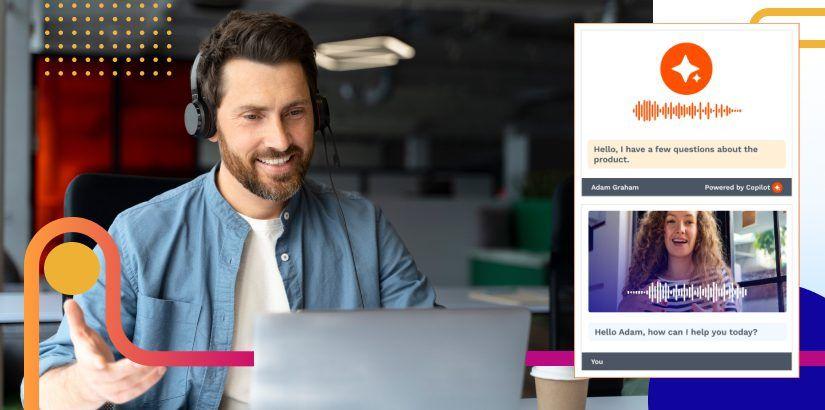
Or, a sales rep can pose a question to an AI coach and get a judgment-free answer. For example, a seller can ask Mindtickle Copilot a question about a product – and AI will deliver an answer, along with supporting content.

More time for managers

Many sales managers are stretched thin. They simply don’t have the time to deliver personalized coaching to increasingly large sales teams.

AI coaches can ease the burden.

Consider the fact that it takes a human 17 minutes to review a role play. An AI coach like Mindtickle Copilot can do it in 60 seconds. A recent analysis found that Copilot received a total of 7,000 role play submissions during 2025. If a human was tasked with reviewing those submissions, it would take 50 work weeks!

Of course, that doesn’t mean sales managers should no longer be involved in sales coaching. However, when AI coaches can deliver ongoing, routine feedback and coaching, sales managers have more time to engage in strategic coaching conversations and deliver expertise that’s only available from a real-life human.

Features to look for in an AI sales coaching platform

Not all AI sales coaching tools are created equal. It’s important to find a solution that aligns with your team’s needs and truly drives measurable improvements in performance.

While there’s no one-size-fits-all AI sales coaching platform, there are some core features that any effective solution should include.

1. Real-time feedback

Sales reps can’t afford to wait days (or even hours) for coaching. Choose a platform that delivers immediate feedback after calls or role plays so sellers can immediately fine-tune their approach. For example, platforms like Mindtickle provide in-the-moment insights right after a call or role play session.

2. Personalized coaching at scale

Each seller is unique, so one-size-fits-all sales coaching doesn’t work. Look for an AI sales coaching platform that tailors recommendations to each seller’s strengths, weaknesses, and deal context – whether that’s refining objection handling, sharpening discovery questions, or suggesting the right piece of content for a prospect.

3. Role play simulations and practice

Great sellers aren’t born – they’re made through practice. The best AI sales coaching platforms offer adaptive, AI-powered role plays where reps can safely practice their skills and get judgement-free feedback before engaging with real prospects. Research shows that reps who regularly engage in structured role plays ramp faster, close more deals, and build stronger customer engagement skills. Plus, when sellers act on AI feedback and adjust their submissions, their average scores improve by 10-70% – proof that immediate, iterative practice drives measurable results. Platforms like Mindtickle make practice even more effective with interactive, two-way AI Role Plays that adapt in real-time to sellers’ responses.

4. Data-driven insights

Effective sales coaching is rooted in data, not gut feelings. Choose an AI sales coaching platform that integrates with conversation intelligence and performance metrics to deliver actionable insights. This ensures coaching is relevant, measurable, and tied to business outcomes like conversion rates and quota attainment.

The future of AI sales coaching

AI sales coaching is already reshaping how sales teams operate. But this is only the beginning. As technology evolves, coaching will become even more contextual, personalized, and seamlessly embedded into the flow of work.

But while AI becomes more powerful, human managers will remain essential. AI can deliver scalable, real-time feedback, but it can’t replicate a human manager’s empathy, intuition, or ability to coach the “whole person.” The future isn’t about choosing either AI or human coaches. It’s about blending the strengths of both to ensure every seller has the support they need to reach their full potential.

Embrace AI coaching with Mindtickle

When done well, sales coaching can significantly impact sales performance. A Mindtickle analysis found that top-performing sellers receive significantly more sales coaching than their lower-performing peers. That’s no coincidence.

But it’s hard to consistently deliver sales coaching that meets the needs of each sales rep.

By leveraging an AI coach, you can start delivering consistent, effective coaching that positively impacts performance across your entire sales team. With Mindtickle, it’s easy to incorporate an AI coach into your sales coaching strategy.

Mindtickle is an award-winning revenue enablement platform that’s enhanced with AI features to ensure your sellers always have real-time feedback and guidance to conquer any sales scenario.

With Mindtickle Copilot, sellers can ask questions and get real–time answers and guidance. Mindtickle Copilot also delivers real-time feedback and advice based on a seller’s performance on sales calls and role-plays. Sellers can even engage in two-way, AI-powered role plays to practice their skills with an adaptive AI buyer.

In addition, Mindtickle Copilot helps sellers excel at every customer interaction. For example, Mindtickle Copilot can analyze data and use insights to recommend what step a seller should take next to move a deal forward. For example, Mindtickle Copilot can recommend that a seller share a specific piece of relevant content that’s known to improve outcomes in similar scenarios. Copilot can even draft a contextual email to accompany the sales content.

Ready to see how Mindtickle can help you tap into the power of AI coaching to start improving seller performance?

FAQs

1. What is an “AI coach” for sales reps?

An AI sales coach is a tool that uses artificial intelligence to analyze a rep’s performance, whether in a practice role play or on a live call. It then provides personalized, real-time feedback and guidance to help them improve their skills on the spot.

2. How is an AI coach different from a human sales manager?

The biggest difference is timing and availability. A human manager’s coaching depends on their busy schedule. An AI coach is available 24/7 and provides instant feedback, so reps can practice, get guidance, and improve their skills whenever they need to.

3. What are the main advantages of using an AI coach?

There are four huge benefits: it provides immediate feedback for rapid improvement, it offers customized coaching for each rep’s specific needs, it’s incredibly scalable for large or growing teams, and it creates a judgment-free zone for reps to practice.