






Sales reps are responsible for engaging buyers and closing deals every day. Meanwhile, the sales operations team works behind the scenes to ensure that those sellers can be as effective and efficient as possible.
While sales operations teams were once the unsung heroes of the sales organization, they’re finally getting the recognition they deserve. A recent report found that 82% of sales professionals feel “sales ops plays a critical role in growing the business.”
Salesforce research found that
That’s not surprising, as research shows that companies that strategically invest in sales operations can significantly impact sales productivity and performance.
But if you’re still not sure what sales operations is, you’re not alone. In this guide, we’ll explore everything you need to know about sales operations, including:
- What it is and why it’s important
- What sales ops teams do and how they measure success
- How sales operations differ from sales enablement
- Best practices for developing a winning sales ops strategy
- The role technology plays in a winning sales operations strategy
What is sales operations (Sales Ops)?
First things first: what is sales operations?
As the name suggests, optimized sales operations (or sales ops, for short) ensure the sales team can work faster and smarter.
But what exactly does this mean?
It’s a term that describes the activities and processes that support the sales organization. Sales operations teams handle the myriad “behind the scenes” administrative tasks to ensure the sales organization runs smoothly. We’ll take a closer look at some of the specific tasks the sales operations team handles later on.
Why is sales operations (Sales Ops) important?
Sales reps only have so many hours in a day. Yet, they often spend the bulk of their time on tasks that don’t drive revenue. The same Salesforce report cited earlier found that during the average week, sales reps spend a mere 28% of their time on selling activities, such as:
- In-person meetings with prospective customers
- Virtual meetings with prospective customer
- Prospecting
Sales reps spend just
Sales operations frees up these reps from a lot of the non-selling tasks that take up so much of their time. That means sales reps have more time to do what they do best: engage with sellers and close deals.
It also drives efficiency for sales managers. With optimized sales operations, sales managers can focus less time on administrative tasks – and more time coaching their reps to improve individual and team performance.
Optimized sales operations mean sales reps can close more deals – faster. It empowers sales managers to devote more time to ensuring sellers have what it takes to be successful.
What are sales operations responsibilities?
The ultimate goal of the sales operations team is to support the success of the sales team. The team handles the “behind the scenes” work so sales reps effectively and efficiently sell and sales managers can spend their time coaching and improving team performance.
But what exactly does the sales operations team do daily?
Responsibilities look different at every organization. However, some common responsibilities include:
- Creating sales forecasts
- Contributing to revenue strategies
- Developing and continuously evaluating sales rep compensation plans and sales incentives
- Collaborating with other teams on go-to-market plans
- Developing pricing structure for products and services
- Optimizing the sales process and lead generation initiatives
- Analyzing sales metrics on an ongoing basis
Another key sales operations responsibility is to implement and administer tools and technology that make sellers’ lives easier. Some such technologies might include:
- Customer relationship management (CRM) platform
- Sales enablement platform
- Revenue productivity platform
- Business intelligence platform
- Content management system
Sales enablement vs. sales operations
In the world of sales, sales enablement and sales operations are two terms that are used often. Both of these teams are focused on supporting the sales team. In addition, both sales enablement and operations teams typically report up to the head of sales.
However, they’re not the same thing.
Sales enablement teams are focused on ensuring sales reps have what it takes to be successful in the field. First, sales enablement teams work with sales leadership to determine what a great rep looks like. Some sales organizations develop an ideal rep profile (IRP) to define the skills and competencies needed for sales success. Then, sales enablement teams create and deliver onboarding, sales training, sales content, sales coaching, and other programs to ensure each seller can master the skills and competencies they need to close more deals.
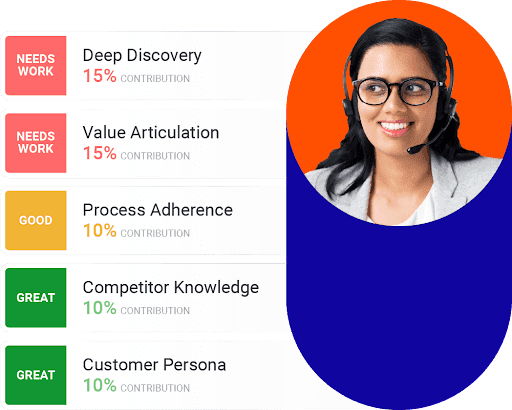
On the other hand, sales operations planning is focused on ensuring the right tools and processes are in place to support the sales cycle. That way, sellers can more easily close deals – faster.
Both these teams are focused on improving the productivity of the sales organization. As such, sales operations and sales enablement need to be aligned.
Best practices for building an effective sales operations strategy
A solid strategy helps boost the effectiveness and efficiency of sellers. If you haven’t already, now’s the time to develop a sales operation strategy.
But what exactly does a good strategy look like?
It depends on a number of factors, including size, market, and maturity – among others. A sales operations strategy that works well for one organization may fall flat for another.
That said, there are certain best practices any sales organization can leverage to guide their planning.
In the next section, we’ll cover some of the key sales operations metrics teams should measure regularly.
What are the key metrics for sales operations to track for success?
It’s important to set clear metrics right from the start. But what should they include?
Of course, sales operations teams should track the performance of the sales team. However, they should also track sales team efficiency. In other words, how efficiently are sellers able to shepherd a deal from initial contact to close?
There’s not a “one-size-fits-all” set of metrics. Instead, these metrics vary from organization to organization. However, there are some common, core sales operations metrics tracked by most organizations. Here are a few.
It’s important to measure your chosen sales operations metrics on a regular basis. At the very minimum, these metrics should be tracked quarterly. Ideally, these metrics should be tracked more regularly so challenges can be identified early on – and then addressed accordingly.
Typically, sales operations teams own the systems where this key data lives. As such, sales operations can create user-friendly dashboards and reports that can easily be accessed. That way, teams can track performance regularly and adjust their strategies as needed – rather than waiting until the end of the quarter when it’s probably too late.
Improve sales productivity and streamline your tech stack with Mindtickle
The sales operations team plays a pivotal role in the sales team’s success. Their work ensures sellers have more time to engage with buyers and close deals – and managers have more time to deliver personalized coaching that addresses the needs of each seller.
A key responsibility of sales ops is to ensure sellers have the tools they need to be as productive as possible. But adding more tools isn’t always the answer. A recent survey found 70% of revenue organizations have 10 or more tools in their tech stack. Yet, 66% of sales reps are overwhelmed by the number of tools they’re expected to use.
Sales ops teams must manage the tech stack while ensuring sellers have the necessary tools. Many teams are striking the right balance by trading point solutions for an integrated revenue enablement platform that delivers multiple solutions.
Today, leading sales ops teams depend on Mindtickle’s integrated platform to boost sales productivity and drive better outcomes. Mindtickle incorporates key functionality, including sales enablement, conversation intelligence, content management, and coaching – all in a single, integrated platform. Your sellers have everything they need to be successful – right in one spot. That means they can spend less time switching between tools, hunting down what they need, and more time engaging buyers and closing deals.
See Mindtickle in Action
Ready to see how Mindtickle empowers sales ops teams to streamline their tech stack while empowering sales reps with the tools, content, and information they need for success in the field?
This post was originally published in December 2023 and was updated in September 2024.