




What is Sales Effectiveness – and How Do You Improve Yours?



As a sales leader, boosting sales effectiveness must be a top priority. After all, the more effective your sales team is, the better they can engage buyers and consistently close deals.
But improving sales effectiveness isn’t as simple as pushing your sellers to book more calls and meetings. Instead, it’s about empowering your reps to sell faster, smarter, and with more consistency.
In this blog, we’ll explore what sales effectiveness means, why it matters, and how you can take simple steps to boost your team’s performance and drive sustainable revenue growth.
Sales effectiveness definition
Most sales leaders agree that sales effectiveness is important. But without a clear definition, it’s impossible to measure it. If you can’t measure it, you can’t improve it.
With that in mind, let’s start by answering the question, “What is sales effectiveness?”
At the most basic level, it refers to how well your sellers turn prospects into buyers. Throughout the typical purchase journey, a seller has multiple interactions with a potential buyer. Effectiveness gauges the seller’s ability to conquer each of these interactions. Of course, their ability to conquer these touchpoints depends on many factors, including the quality of training and coaching – and how (or whether) they put this training and coaching into practice to improve.
Sales effectiveness vs. sales efficiency
Oftentimes, “sales effectiveness” and “sales efficiency” are used interchangeably. While they’re certainly related, they’re not the same thing.
Sales efficiency is about what your team is doing. For example, you might measure how much time your sales team is spending on training.
On the other hand, sales efficiency is how your team is performing. Sales effectiveness considers how much your sales reps are actually getting out of their training – and whether they’re putting that learning into practice in the field.
It’s possible to have a team that’s efficient – but not effective. In other words, your sales reps may complete tasks quickly. However, that doesn’t mean they’re completing the right tasks to move deals forward.
How to measure sales effectiveness
There’s an old adage that you can’t improve what you don’t measure. This definitely rings true for sales effectiveness. If you’re not continuously measuring it, it’s impossible to identify areas for improvement.
But many aren’t sure how to measure sales effectiveness.
8 essential sales effectiveness metrics
There’s no single metric for gauging sales effectiveness. Instead, sales organizations must track myriad metrics to get an accurate picture of it.
By tracking the right metrics (and analyzing them side-by-side), you’ll get a clear idea of what’s working, what’s not, and where there are opportunities to improve sales effectiveness.
So, what sales effectiveness metrics should you track? It varies from organization to organization. However, there are eight key metrics any team should track.
Using KPIs to assess and improve sales performance
Sales effectiveness measures how your sales team is performing. As such, it’s important to focus on accessing your reps’ performance – and then taking data-based action to improve it.
Let’s take a look at some of the tools and techniques winning sales orgs are using to access and improve sales rep performance.
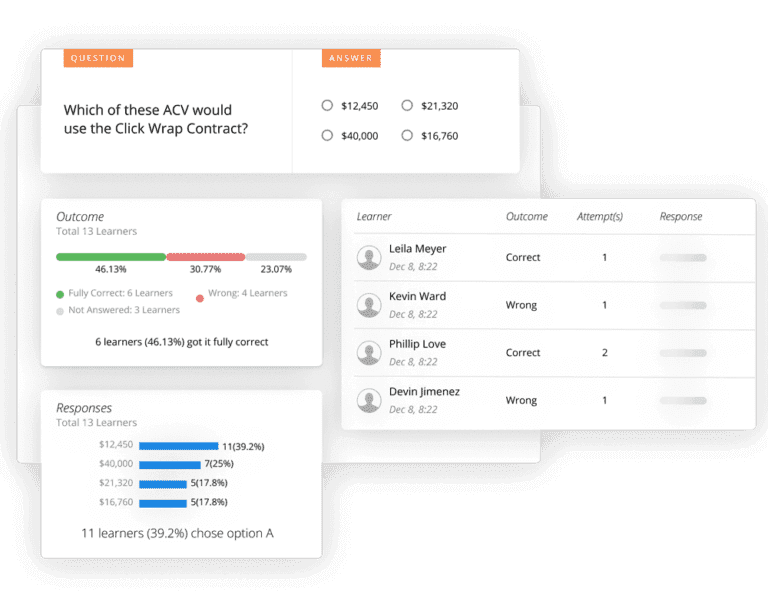
Sales dashboards and reporting
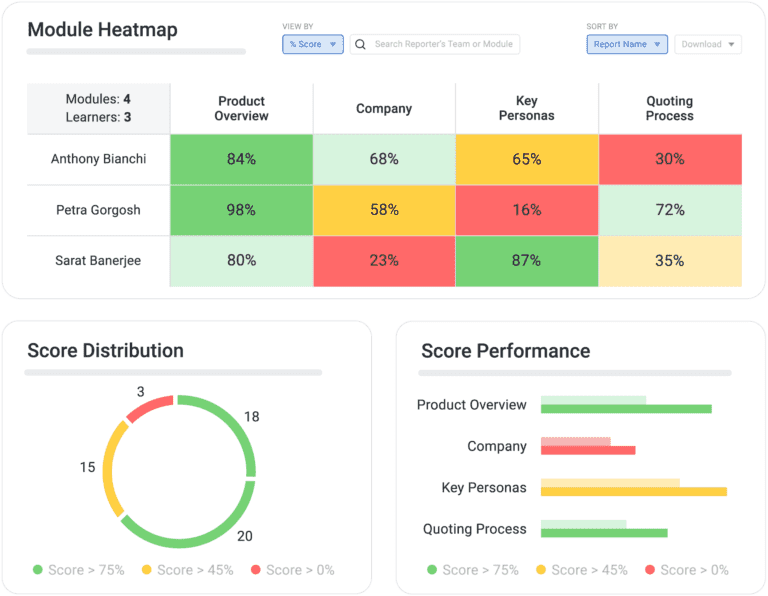
Improving your reps’ performance requires access to the right data. You can’t help them improve if you don’t know where they’re excelling and where they’re falling flat.
Most organizations have no shortage of data. But often, it lives in myriad locations. It’s important to ensure you have access to sales dashboards and reporting tools that make it easy to not only pull the right data – but also make sense of it so you can take action on it.
Sales call recording analysis
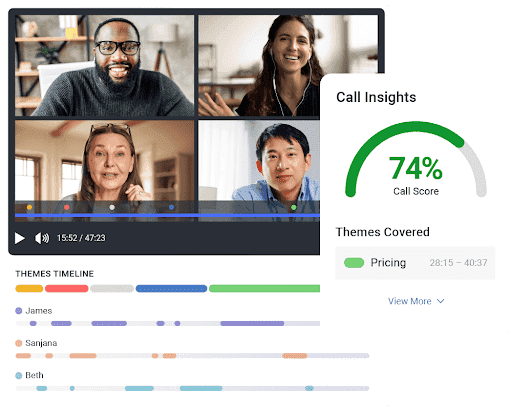
Sure, a sales rep may complete all training and enablement activities. But that doesn’t guarantee success. It’s important to understand whether the rep is actually using their newly acquired selling skills while in the field.
Conversation intelligence software records sales calls – and then analyzes those calls. This gives managers insight into what’s really happening in the field. That way, managers can provide training and coaching to improve the effectiveness of the rep – both on that deal and long term.
Quarterly rep feedback cycles
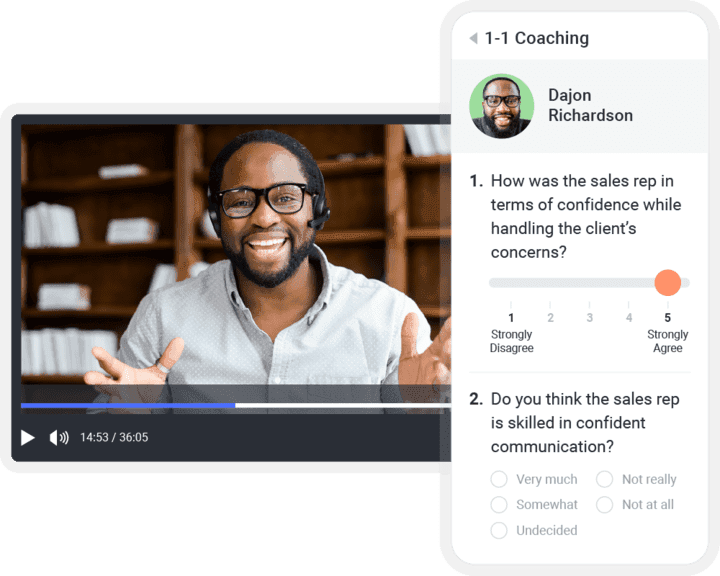
Ongoing feedback is essential to improving rep performance and boosting sales effectiveness. Managers should perform quarterly reviews for each rep. These reviews are a great opportunity to examine sales performance quarter-over-quarter. In addition, it’s an opportunity to discuss opportunities for improvement.
But remember: feedback should be ongoing. Don’t wait until these quarterly meetings to provide feedback.
Newer reps vs. experienced rep analysis
It’s important to measure overall sales effectiveness. But be sure to measure sales effectiveness on a variety of levels too.
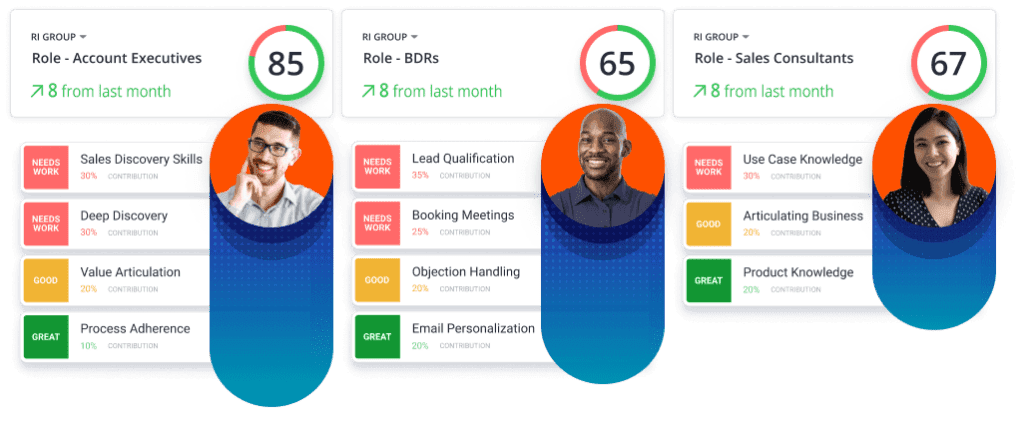
One example is newer reps vs. experienced reps. Experienced reps likely have different strengths and weaknesses than newer ones. Measuring sales effectiveness based on tenure can shed light on opportunities for improvement specific to each group.
Sales enablement and sales training technology
Each rep has different strengths and weaknesses. Ongoing measurement helps you identify where sellers may need additional support to improve sales effectiveness.
Sales training, sales enablement, and sales coaching are all key to boosting seller performance. The sales effectiveness tools can help you identify the needs of each rep – and then deliver personalized sales training, sales enablement, and sales coaching to increase sales effectiveness.
Proven techniques for improving your sales effectiveness strategy
Improving sales effectiveness is a top goal of most sales organizations. But what can you do to boost this key metric?
Here are some foundational techniques to improve your sales effectiveness strategy.
Identify target markets and ideal customer profiles
Sometimes, a deal doesn’t move forward simply because the prospect isn’t the right fit for your products or services. It’s important to develop ideal customer profiles (ICPs), outlining the qualities of companies that are a good fit for your products and services. Be sure your sellers know these ICPs inside and out. Sellers should be spending the bulk of their time with prospects that align with these ICPs.
Provide personalized training and coaching
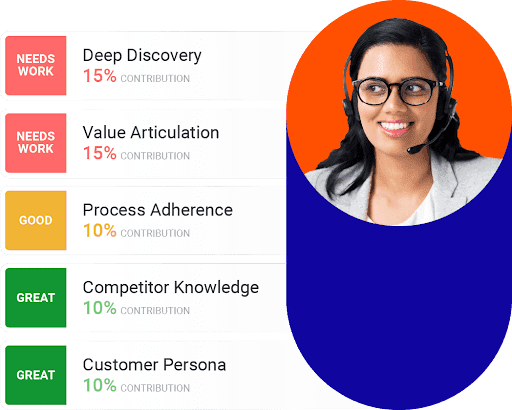
Sales training and coaching are key to building each seller’s competencies to succeed. But oftentimes, organizations deliver training and coaching that’s one-size-fits-all.
First, organizations must define the skills and competencies that are required to succeed in the field. Then, each rep should be measured against that ideal rep profile (IRP). Finally, personalized training and coaching can be delivered to strengthen those weaker skills – and boost sales effectiveness.
Centralize tools and content
The more time reps spend selling, the more deals they can close. Yet, sellers often waste valuable time searching for the tools and resources they need to engage buyers and move deals forward.
Chances are, you spend time and effort developing content and resources for your sellers to develop their skills and engage buyers. For example, you might provide tools like sales playbooks, battlecards, role-plays, and digital sales rooms. Be sure to centralize all these resources so your sellers can easily find what they need. The result? They’ll spend less time searching for what they need, and more time delivering outstanding experiences that convert prospects to customers.
Improve sales and marketing collaboration
Typically, marketing teams create plenty of material for reps to use throughout the sales cycle. But often, these materials are created without input from the sales team. Marketing and sales teams must work together to identify what reps need throughout the sales cycle – and what actually helps move deals closer to the finish line. That way, marketing teams can focus on the content that’s proven to work. Sales and sales enablement teams can help ensure sellers know how and when to use these marketing-created materials.
Deliver continuous feedback
Feedback shouldn’t just come during a quarterly review. Instead, managers must make it a priority to deliver feedback on an ongoing basis. That way, their reps understand what they need to work on to improve sales outcomes.
Leverage data to drive decisions
Sales effectiveness decisions must be grounded in facts, not gut feelings.
Remember: no single metric will tell you the full story of sales effectiveness. Instead, it’s important to track a broad range of metrics and analyze them side-by-side.
Manually pulling data from disparate sources can be tedious and often leaves gaps in your analysis. But with the right tools, you can centralize your data into a single dashboard, making it easier to track, analyze, and act on key metrics. You can use these insights to make better decisions, optimize processes, and ultimately, drive stronger sales effectiveness and performance.
Improving sales effectiveness with Mindtickle
An effective sales team is one that’s ready to confidently engage buyers and consistently close deals. So it’s no wonder why so many organizations focus on improving sales effectiveness.
But increasing sales effectiveness isn’t as simple as telling your sellers to hit the phones harder. True sales effectiveness comes from equipping your team with tailored training, tools, and resources to work smarter, operate more efficiently, and deliver consistent results.
The right tools and technology make all the difference. An integrated revenue enablement platform like Mindtickle is an essential tool for any organization looking to increase sales effectiveness.
With Mindtickle, your sellers are always ready for any deal. They have the knowledge, skills, content, and resources they need to deliver winning buyer experiences – right at their fingertips.
Hypercharge sales effectiveness
See for yourself how Mindtickle can help you boost sales effectiveness across your entire revenue organization.
This post was originally published in September 2023 and was updated in February 2024 and April 2025.

Subscribe to the blog
Get the latest sales enablement tips, guides, and industry best practices delivered to your inbox. Unsubscribe anytime.
Related Articles

Best Unified Revenue Enablement Platforms for Enterprise Teams in 2026

5 Top Sales Methodologies & Types of Selling: The Complete Guide for 2026